

May 12, 2026
By Harlan Simpkins, President and CEO, Canadian Business Aviation Association (CBAA)
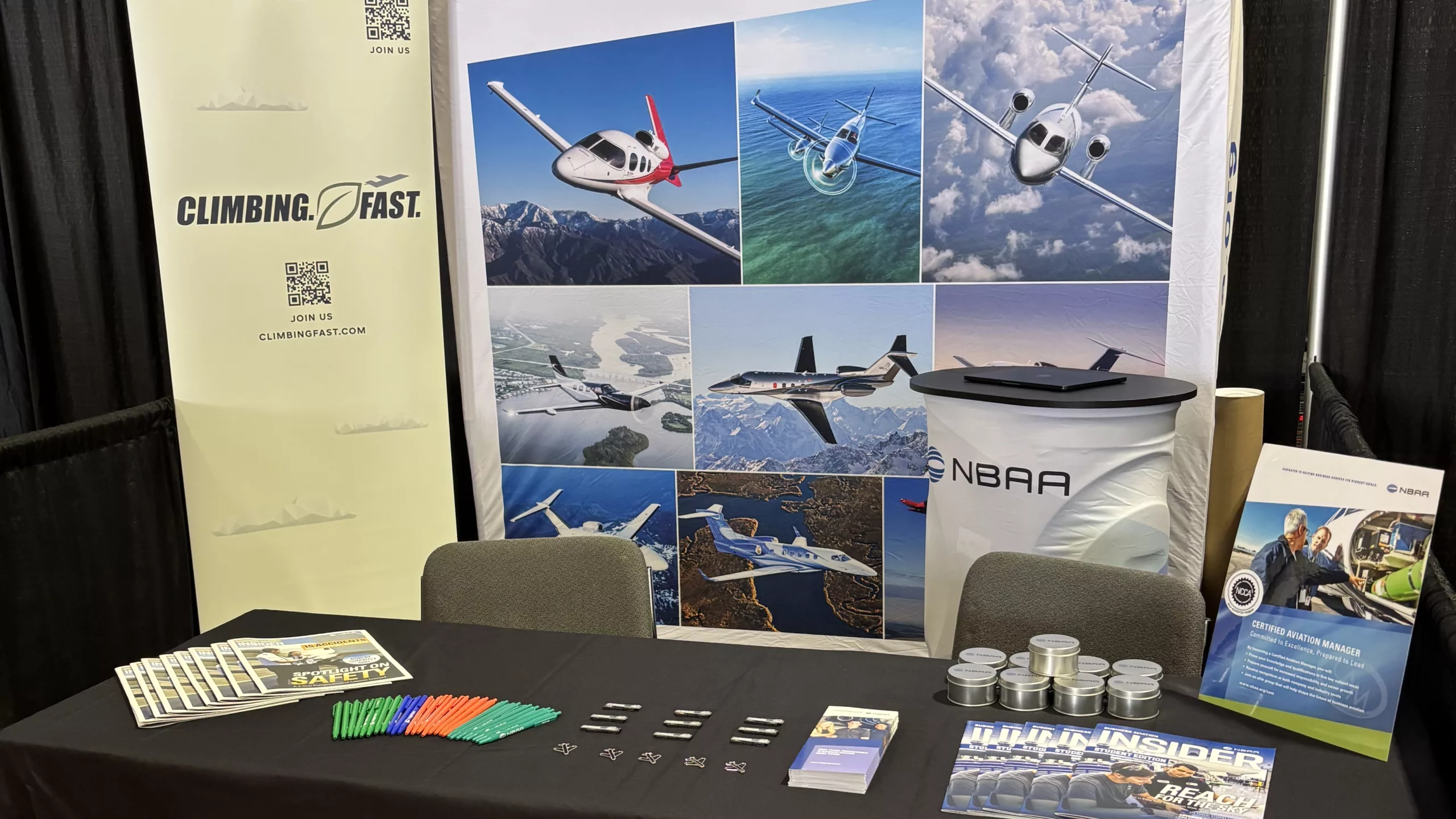
In a country defined by distance, climate, and decentralization, business aviation is far more than a convenience – it is a critical enabler of national cohesion and economic resilience. From connecting resource, manufacturing, and technology hubs to supporting Indigenous, Northern, and remote communities, business aviation provides essential access where scheduled air service is limited or unavailable. Through the CLIMBING. FAST. initiative, the CBAA is helping bring these realities into sharper focus, highlighting how our industry underpins commerce, mobility, and community wellbeing across Canada.
The importance of business aviation has also been recognized internationally. The International Civil Aviation Organization (ICAO), headquartered in Montréal, affirmed at its 6th Worldwide Air Transport Conference that business aviation is “an important component of a comprehensive international air transport system.” In Canada, that role is especially significant. Business aviation supports medical evacuations, disaster response, wildfire management, and humanitarian missions, while enabling time-critical operations in sectors such as energy, mining, aerospace, and advanced manufacturing.
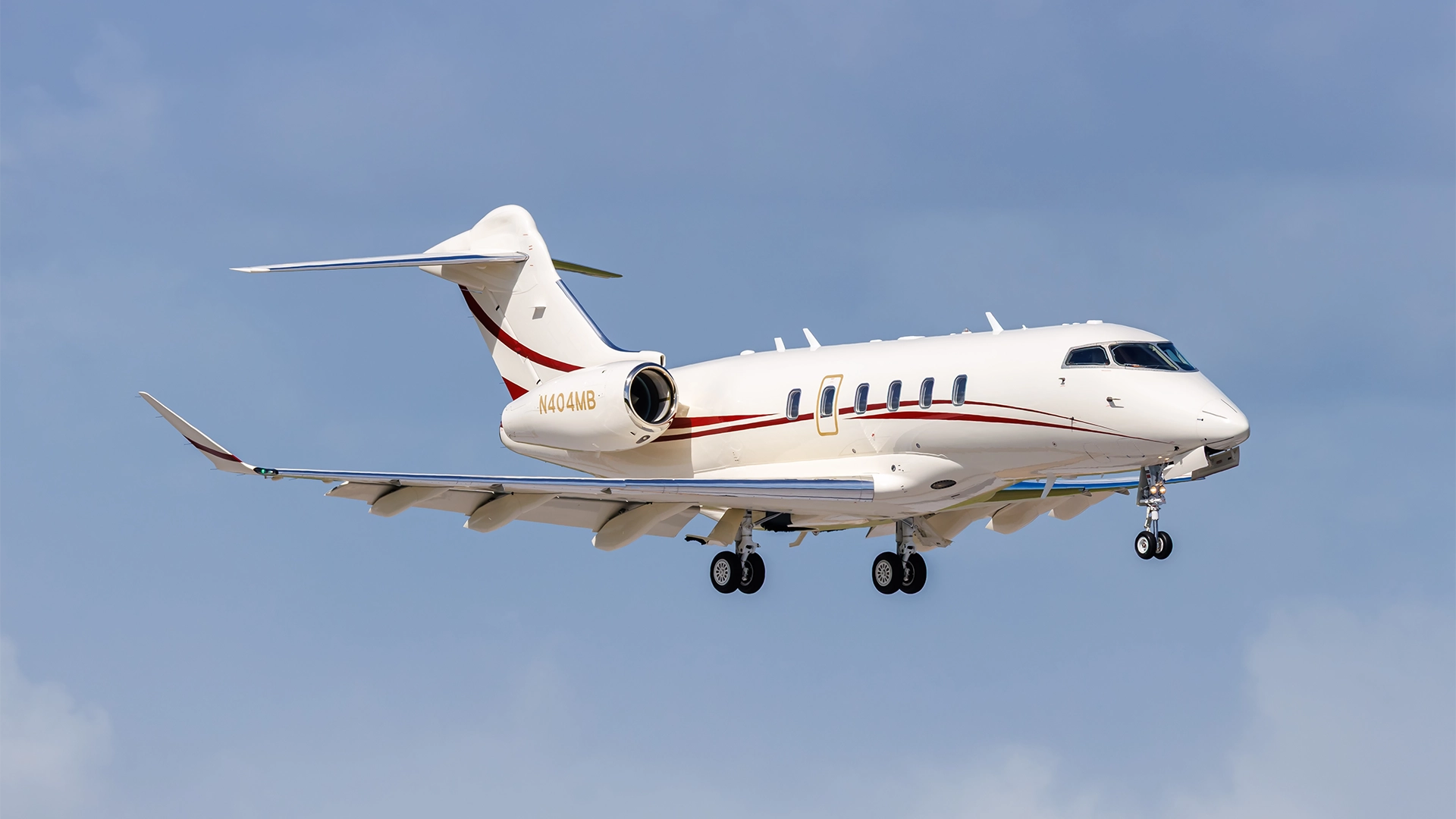
The sector is also a major contributor to Canada’s skilled workforce and broader aerospace ecosystem. Supported by more than 1,500 aircraft capable of reaching every corner of the country, Canadian business aviation generates an estimated $17.9 billion in total economic impact and sustains more than 53,600 high-skill jobs. The industry also supports a world-class aerospace manufacturing sector whose exports surpassed $13 billion in 2024, reinforcing Canada’s role in North American and global supply chains. Yet many of these contributions remain largely unseen. Through CLIMBING. FAST., the CBAA aims to ensure these stories are communicated with clarity, evidence, and credibility.
As public policy discussions increasingly focus on affordability, sustainability, and climate responsibility, it is essential that business aviation’s progress is accurately understood. The industry has long been a leader in safety, efficiency, and technological innovation, and today Canadian operators and manufacturers are advancing Sustainable Aviation Fuel (SAF), improving operational efficiency, and investing in next-generation aircraft and systems aligned with climate objectives.
As Canada navigates evolving economic and environmental priorities, business aviation remains a proven partner – connecting communities, supporting jobs, enabling innovation, and strengthening Canada’s link to global markets. In doing so, it continues to help build a more connected, resilient, and sustainable future.