
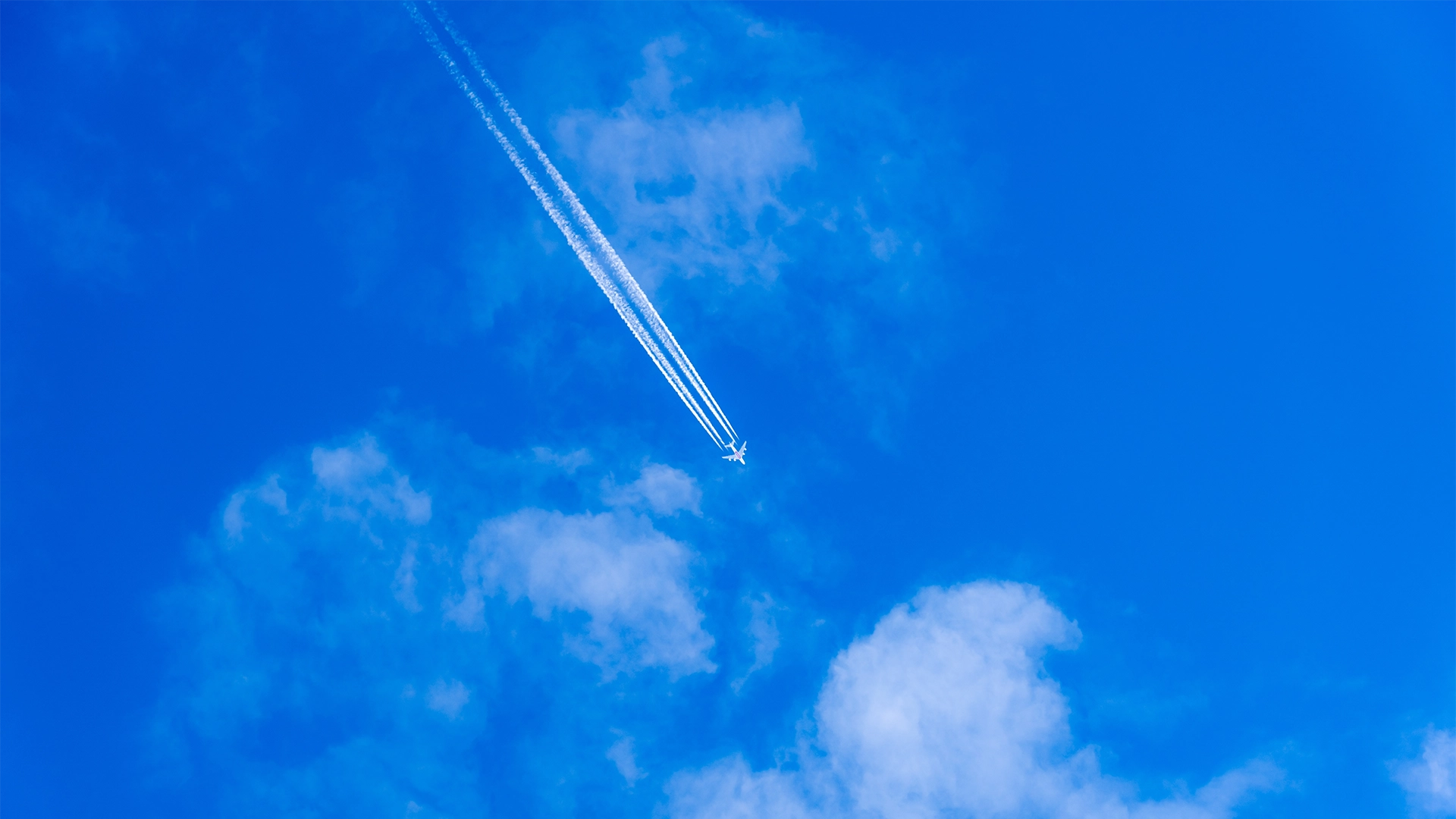
Sustainability solutions provider 4AIR has entered into a collaborative research agreement with Western University in Canada to deepen the industry’s understanding of aviation-induced contrails. This initiative focuses on the atmospheric conditions that lead to the formation of persistent condensation trails, which are believed to contribute significantly to the total climate impact of flight beyond carbon dioxide emissions alone. This scientific collaboration is intended to help operators make informed decisions about flight path adjustments that could minimize their environmental footprint.
Addressing non-CO2 effects is part of a comprehensive strategy for reaching net-zero goals in business aviation and other parts of the air travel industry. Researchers at Western University will utilize their expertise in cloud physics and atmospheric science to analyze how different fuel types and engine technologies influence contrail persistence and heat-trapping properties.
In just four decades, business aviation has led the way in developing innovations to reduce carbon emissions, pioneering advances like aerodynamic winglets and composite materials. Today, the industry is pushing toward net-zero emissions by 2050, with companies and entrepreneurs investing in sustainable fuels, more efficient aircraft designs and next-generation propulsion systems.